


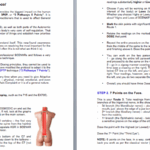
Classical Russian SCENAR: 3P6P Protocol If there is one single technique in SCENAR therapy that provides the biggest impact on the human system as a whole, it’s the classical SCENAR technique 3P6P, or “3 Pathways 6 Points”. It is probably the most popular technique amongst SCENAR practitioners that is being used to affect General Adaptive…
Plantar Fasciitis and Heel Pain: How COSMODIC and ENS Can Help
Plantar Fasciitis and Heel Pain: How COSMODIC and ENS Can Help
No Comments
Heel pain from plantar fasciitis can make the first steps in the morning feel like the hardest steps of the day. It can interfere with walking, work, exercise, travel, and the simple ability to stay active without constantly thinking about the next painful step.
For many people, plantar fasciitis improves with stretching, better footwear, activity modification, and progressive rehabilitation. But when heel pain becomes persistent, additional tools for pain relief and recovery can make a meaningful difference.
COSMODIC® and ENS® adaptive electrotherapy can be used as part of a plantar fasciitis treatment plan to help manage heel pain, improve comfort during movement, and support the body’s natural recovery processes. Unlike conventional fixed-signal electrical stimulation, these technologies are designed to adapt their output during a treatment session in response to feedback from the body.
For people looking for a noninvasive, drug-free way to address persistent heel discomfort at home or with a trained practitioner, COSMODIC and ENS offer an advanced approach to adaptive electrotherapy.
What Is Plantar Fasciitis?
The plantar fascia is a strong band of connective tissue that runs from the heel toward the front of the foot. It helps support the arch and absorbs mechanical stress during standing, walking, and running.
When this tissue is repeatedly overloaded or irritated, pain can develop near the point where the plantar fascia attaches to the heel. The condition is commonly known as plantar fasciitis and is one of the most frequent causes of heel pain.
Typical symptoms include:
- Sharp or burning pain under the heel
- Strong pain during the first steps after getting out of bed
- Pain after sitting or resting for a long period
- Heel stiffness or tenderness
- Increasing discomfort after prolonged standing, walking, or exercise
The pain often eases after the foot warms up and then returns after repeated loading later in the day.
Common contributing factors include a sudden increase in physical activity, prolonged standing, running or jumping, tight calf muscles, limited ankle mobility, unsuitable footwear, flat feet, high arches, and repeated mechanical overload.
Why Plantar Fasciitis Can Become a Persistent Problem
Plantar fasciitis is not only about pain in one small area of the heel. Once the heel hurts, people naturally begin to change the way they stand and walk.
You may shorten your stride, shift weight toward the outside of the foot, avoid putting pressure on the painful heel, or overload the opposite leg. Over time, these compensations can affect the ankle, knee, hip, and lower back.
This is one reason early pain management matters. When pain is reduced, it becomes easier to move more normally, perform stretching and strengthening exercises, and gradually restore the foot’s ability to tolerate everyday loads.
An effective plantar fasciitis strategy therefore has two goals:
- Reduce heel pain and discomfort
- Support the recovery of normal movement and load tolerance
This is where adaptive electrotherapy can become a useful part of the treatment process.
How COSMODIC and ENS Can Help with Plantar Fasciitis
COSMODIC and ENS are advanced forms of adaptive electrical stimulation developed from the broader SCENAR technology platform.
Traditional electrical stimulation devices generally deliver a predetermined signal. COSMODIC and ENS are designed differently. Their electrical output changes dynamically during a session as the system receives feedback through the skin.
This adaptive interaction allows treatment to respond continuously rather than simply repeating the same fixed waveform.
For plantar fasciitis, COSMODIC or ENS therapy can be applied around the painful heel and related areas of the foot and lower leg as part of a structured approach to pain relief and recovery.
The practical goals are straightforward:
- Help reduce plantar fasciitis-related heel pain
- Improve comfort during standing and walking
- Make movement and rehabilitation exercises easier to tolerate
- Support the body’s natural recovery processes
- Provide a noninvasive treatment option that can be used repeatedly at home
For someone whose plantar fasciitis makes every morning painful, reducing discomfort is not a minor benefit. Better pain control can make it easier to stay mobile, exercise appropriately, and follow a consistent recovery program.
COSMODIC: Adaptive Electrotherapy Focused on Recovery
COSMODIC technology was developed as the next generation of feedback-responsive electrotherapy after SCENAR.
The system uses multiple feedback processes to continuously evaluate the response during treatment and recalculate subsequent electrical impulses. Instead of sending the same stimulation repeatedly, COSMODIC changes its output throughout the session.
This makes COSMODIC especially interesting for people who want more than conventional fixed-pattern electrical stimulation.
When used for heel pain and plantar fasciitis-related discomfort, COSMODIC can become part of a regular recovery routine focused on relieving pain, improving comfort, and supporting more natural movement.
ENS: The Next Step in Adaptive Treatment
ENS technology builds on the COSMODIC concept and combines multiple forms of adaptive influence within one system.
Depending on the device, ENS platforms may include COSMODIC, COSMODIC+, ENS, SCENAR, and automated operating modes.
This gives users access to a broader range of treatment options in a single platform. Advanced models can be used by trained practitioners, while systems with automated operation can make adaptive electrotherapy more practical for personal home use.
For people dealing with recurring heel pain, the ability to have treatment available at home can be particularly valuable. Instead of waiting for discomfort to become severe, a user can incorporate sessions into a regular routine and combine them with stretching, strengthening, and appropriate activity management.
What Does Clinical Research Say About Interactive Neurostimulation and Plantar Fasciitis?
Clinical research has produced encouraging results for interactive neurostimulation in people with chronic plantar fasciitis.
A 2017 prospective randomized controlled study evaluated noninvasive interactive neurostimulation in patients with chronic plantar fasciitis who had not responded adequately to standard conservative treatment.
Participants received either noninvasive interactive neurostimulation using an InterX device or extracorporeal shockwave therapy.
The researchers evaluated pain, foot function, anti-inflammatory medication use, and patient satisfaction. At four and twelve weeks, the interactive neurostimulation group showed superior results compared with the shockwave therapy group in the measured outcomes, including pain improvement and functional scores.
The 2023 clinical practice guideline for heel pain and plantar fasciitis also reviewed this trial and reported moderate treatment effects favoring noninvasive interactive neurostimulation.
The study used an InterX device rather than a COSMODIC or ENS device, so it should be understood as clinical evidence for the broader field of interactive neurostimulation rather than a direct clinical trial of these specific products.
Even so, the research is important because it supports the practical idea behind adaptive and interactive electrotherapy: electrical neurostimulation that responds dynamically during treatment may offer meaningful benefits for people struggling with persistent plantar heel pain.
A More Complete Approach to Plantar Fasciitis Treatment
One of the biggest mistakes people make with plantar fasciitis is waiting for the pain to disappear while continuing to overload the foot in exactly the same way.
A better approach combines pain relief with gradual correction of the factors that continue to irritate the plantar fascia.
1. Reduce the Activities That Aggravate the Heel
Running, jumping, long periods of standing, and repeated impact may need to be temporarily reduced while symptoms are active.
This does not necessarily mean complete inactivity. Lower-impact activities such as cycling or swimming may allow you to remain active while reducing repetitive stress on the heel.
2. Stretch the Calf and Plantar Fascia
Tight calf muscles and limited ankle mobility can increase mechanical stress through the plantar fascia.
Regular calf stretching and plantar fascia-specific stretching are commonly used in plantar fasciitis rehabilitation and can help improve mobility while reducing stress during walking.
3. Rebuild Strength Gradually
As pain improves, progressive strengthening of the calf, foot, and supporting lower-leg muscles can help the foot tolerate load more effectively.
The objective is not simply to make the pain disappear for a few hours. The objective is to help the foot return to normal activity with greater comfort and better load capacity.
4. Use Supportive Footwear
Supportive shoes, heel cushioning, taping, and foot orthoses can reduce stress on the painful area during standing and walking.
For many people, changing footwear is one of the simplest ways to reduce repeated irritation while the plantar fascia is recovering.
5. Add COSMODIC or ENS Adaptive Electrotherapy
COSMODIC or ENS sessions can be incorporated into this broader strategy to help control pain and make movement more comfortable.
This can be especially useful when pain itself becomes an obstacle to rehabilitation. When the heel hurts less, it may be easier to walk more normally, complete prescribed exercises, and gradually return to everyday activities.
The result is a more practical treatment strategy: use adaptive electrotherapy for symptom relief and recovery support while simultaneously addressing mobility, strength, footwear, and excessive mechanical load.
Using COSMODIC or ENS for Heel Pain at Home
One of the main advantages of owning a COSMODIC or ENS device is access to adaptive electrotherapy when you need it.
Plantar fasciitis is often a persistent or recurring problem. Heel pain may be strongest in the morning, appear after a long workday, or return after increased physical activity. Having a device at home allows treatment to become part of a consistent routine rather than an occasional intervention.
Depending on the model and training level, users may work directly over the heel and foot or use external electrodes and more advanced treatment approaches.
For best results, users should follow the instructions for their specific device and complete appropriate training. LET Health provides virtual training resources for COSMODIC and ENS device owners.
A practical home routine may combine:
- Adaptive electrotherapy sessions for heel pain and comfort
- Plantar fascia and calf stretching
- Progressive foot and calf strengthening
- Temporary reduction of aggravating activities
- Supportive footwear and appropriate cushioning
This approach gives the foot both symptom relief and the opportunity to rebuild its ability to tolerate normal activity.
Can COSMODIC and ENS Replace Other Plantar Fasciitis Treatments?
COSMODIC and ENS are best used as part of a complete strategy rather than as an excuse to ignore the factors that caused the problem.
If pain decreases after a session, immediately returning to the same excessive training or standing load that aggravated the heel can simply restart the cycle.
The real advantage of effective pain management is that it creates an opportunity to move better and recover more comfortably.
For many users, that is where adaptive electrotherapy makes the most sense: it can help control persistent discomfort while the foot is being progressively strengthened and returned to normal activity.
When Heel Pain Should Be Evaluated
Not every case of heel pain is plantar fasciitis. A stress fracture, Achilles tendon disorder, nerve irritation, arthritis, or another condition can sometimes produce similar symptoms.
Heel pain following a significant injury, severe swelling, numbness, pain that continues at rest, or rapidly worsening symptoms should be evaluated by an appropriate healthcare professional.
Once plantar fasciitis has been identified, a structured treatment plan can be developed around pain relief, load management, mobility, strengthening, and recovery.
COSMODIC or ENS: Which Device Is Right for You?
The best device depends on how you plan to use it.
A home user may prefer automation, portability, and simple operation. A practitioner may need more advanced assessment options, configurable treatment modes, external electrodes, and greater control over treatment protocols.
LET Health offers several COSMODIC and ENS systems for different levels of experience and use.
- SCENAR, COSMODIC and ENS Devices: How to Choose
- ENS Plus 2: Adaptive Electrotherapy at Home
- Shop COSMODIC and ENS Devices
Take Control of Plantar Fasciitis-Related Heel Pain
Plantar fasciitis can be stubborn, painful, and frustrating—but persistent heel pain does not have to dictate every step you take.
Interactive neurostimulation has shown promising clinical results in chronic plantar fasciitis, and adaptive electrotherapy provides a practical way to incorporate advanced electrical stimulation into a broader recovery strategy.
COSMODIC and ENS give users a noninvasive, drug-free option for managing plantar fasciitis-related heel pain, improving comfort during movement, and supporting the recovery process at home or with a trained practitioner.
Combined with stretching, progressive strengthening, appropriate footwear, and sensible load management, adaptive electrotherapy can become an important part of getting back to comfortable walking and a more active life.
Do not let heel pain become your new normal. Explore the available COSMODIC and ENS devices and choose a system that fits your needs. For product guidance, contact LET Health or call 1 (800) 503-0313.
References
- Razzano C, Carbone S, Mangone M, et al. Treatment of Chronic Plantar Fasciitis with Noninvasive Interactive Neurostimulation: A Prospective Randomized Controlled Study. Journal of Foot & Ankle Surgery. 2017;56(4):768–772.
- Academy of Orthopaedic Physical Therapy. Heel Pain — Plantar Fasciitis: Revision 2023.
- American Academy of Orthopaedic Surgeons. Plantar Fasciitis and Bone Spurs.
Disclaimer: This article is provided for general educational purposes and is not medical advice. Statements regarding COSMODIC and ENS products have not been evaluated by the Food and Drug Administration. These products are not intended to diagnose, treat, cure, or prevent any disease. SCENAR devices are cleared by the FDA for pain relief only. Individual results may vary. Consult a qualified healthcare professional regarding persistent or unexplained heel pain and before beginning an electrotherapy program.
Related Posts
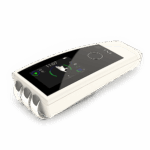
LET Medical Research Laboratory of Medical Electronics led by Dr. Alexander Karasev introduced their latest development, ENS, not so long ago. We’ve already got some very positive feedback from its users, and recently it also made news in the UK. CLICK HERE to see the article on SKY News. The article tells a story about…
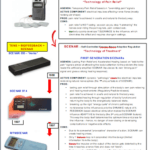

SCENAR evolution: TENS, SCENAR, COSMODIC © by Dr. Alexander Karasev, 2011 TENS, SCENAR, COSMODIC… What’s Next? Alexander Karasev, the founder of “LET Medical” Research Lab, has developed three generations of technologies which allow health restoration without medications: TENS — the technology of effective electronic pain relief, SCENAR — the technology of drug-free treatment, COSMODIC ®…